Etsy is wonderful for showcasing the most talented sellers in both the local area and afar – creating bespoke, personalised items for special occasions like birthdays, anniversaries, and weddings.
Some Etsy sellers start their journey by making things they love as a hobby, and before they know it their business has snowballed into an opportunity to leave full-time employment, whilst others start out with this goal in mind.
Either way, this leads you towards self-employment – which is exciting! But how do you pay taxes as an Etsy seller? We’ll take a look at how you can make your business stand out, and what this means for your tax bill.
How much can I earn on Etsy before I need to let HMRC know and pay taxes?
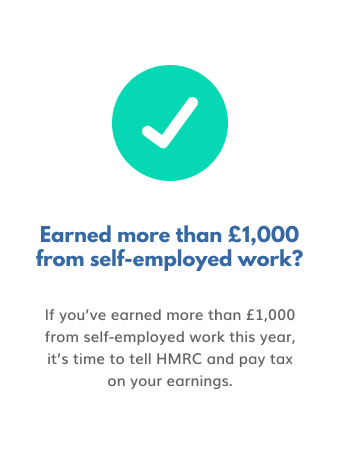
Your trading allowance (sometimes referred to as your ‘hobby’ allowance) is the same across the board for everything, including Etsy – meaning you can make £1,000 from self-employment before you need to let HMRC know.

Will HMRC know if I sell through Etsy?
Online marketplaces like Etsy are covered by the digital platform reporting rules. This means they’re required to collect information about the income you receive from your Etsy sales, and then report this data to HMRC automatically each year. Just remember – you might make enough sales for Etsy to report your earnings to HMRC, but that doesn’t necessarily mean you’ll have a big tax bill to pay. We explain this in the section further down about paying tax on Etsy earnings.
How do I report Etsy earnings to HMRC?
Once your self-employed income reaches the £1,000 threshold you’ll need to register for Self Assessment, although this does not mean you’ll pay tax straight away, it all depends on exactly how much you’ve earned in total for that tax year.
If you’ve registered an Etsy account on behalf of someone else (such as your child because they are not yet old enough to sell online according to Etsy’s terms of service) then as the named account holder, you’re still responsible for reporting and paying any tax on your Etsy income.
How much tax you’ll pay on Etsy based on your earnings
In England, Wales, and Northern Ireland you’ll pay income tax based on the rates and thresholds shown in the table below. Taxpayers who live in Scotland are subject to Scottish income tax rates and tax bands.
| Tax Rate & Threshold | ||
| Tax Band Name | 2025/26 | 2026/27 |
| Personal Allowance: How much income you can earn before you start to pay income tax. No tax on this income. | £0 - £12,570 | £0 - £12,570 |
| Basic rate income tax: 20% tax on the proportion of income which falls into this tax bracket. | £12,571 - £50,270 20% | £12,571 - £50,270 20% |
| Higher rate income tax: The part of your income which falls into this tax band is taxed at 40% | £50,271 - £125,140 40% | £50,271 - £125,140 40% |
| Additional rate income tax: This is the highest rate. The income you earn above this threshold is subject to tax at 45% | £125,140 upwards 45% | £125,140 upwards 45% |
You’ll also need to pay National Insurance, and the amount you pay if you’re a sole trader for example, will be based on your yearly profits. For more information, check out our UK tax rate blog for up-to-date NI rates.
What type of business will I be as an Etsy seller?
Being an Etsy seller isn’t a legal structure in itself, so if you do need to register a business and pay tax you’ll need to decide which one suits you best. It can be quite confusing at first, but there are pros and cons to every type of business – it just depends on what you need.
How much does it cost to sell my products on Etsy?
Registering your business on Etsy is completely free, and it then costs 16p to list an item on Etsy that’ll run for four months (or until the product sells out). When your items do begin to sell, you’ll pay a 6.5% transaction fee on your sale price – this also includes the delivery charge you’ve set for your customers. The good news is that you can normally claim these transaction fees as an expense!
There are also additional charges – for example, if you use Etsy Payments there’s a 4% fee plus a 20p payment processing fee.
This can feel a little confusing, but don’t worry, you’ll get the hang of it. Check out Etsy’s FAQ page for more information.
Do I need to add VAT on the products I sell on Etsy?
You’ll only need to become a VAT registered business if your total taxable sales reach the £90,000 registration threshold in a 12-month period. Some businesses find it useful to register voluntarily before that, but check to see what this means for your particular circumstances before committing to anything!
Top tips for making your Etsy store standout
Setting up an ecommerce business can be an efficient way to broaden your horizons, helping you to find more customers than you might if you relief entirely on in-person sales.
When you (literally) set up shop using an online marketplace such as Etsy, you’re exposing your brand to the hundreds of thousands of people who go to that website, which is one of the main benefits. But with so many other sellers having the same idea, what can you do to stand out? We have five tips to consider when you’re looking to make your Etsy business a success.
Build yourself a personal brand
The current market is pretty crowded, and shoppers have never been so spoilt for choice. Just a click of a button and hundreds of options instantly become available.
Standing out amongst the crowd is tough, but one way you’ll do that is by creating a distinctive brand identity. This includes:
- A memorable name
- A unique logo
- A recurring style of design across your products
- Specific fonts and colours that you stick to across your online store and marketing
- The tone of voice you use across your product copy, marketing, and customer communications should also reflect the nature of what you offer
The key point in all of these is consistency!
Having a consistent brand in place exudes a sense of professionalism – instilling trust and loyalty in your audience. It also helps customers recognise your business more easily.
Ensure your customer experience is second to none
When it comes to e-commerce platforms like Etsy, customer feedback in the form of reviews and ratings can be a huge part of your success. Most people check reviews and customer photos before purchasing a product from you, so providing quality products along with great service gives your customers something to rave about.
Great service is a key component when it comes to customer reviews. People want a smooth buying experience from the moment they order to the minute it arrives. This helps you get new customers, and also keep old ones returning. To brush up on your service skills, you could:
- Be as responsive as possible to enquiries, and mark your shop as closed when you’re going to be unavailable so that you don’t leave people hanging
- Timely shipping and deliveries, and keep customers informed of each stage so they know where their order is up to
- Use protective packaging so their purchases arrive safely
- If possible, offer discount codes to returning customers and thank them again for their order
Etsy shoppers are also accustomed to finishing touches such as a branded sticker, some colourful tissue paper, a small freebie (where possible), and – most popular of all – a personalised thank you note.
This is another point at which brand consistency is key. Once customers associate you with good service and quality, they’ll know to expect this when buying other products from you, too.
Make sure your content is crystal clear
When we say content, we’re talking about the digital marketing media you put online like images, articles, and ads – all as part of your marketing plan. To promote and sell on Etsy your content should include:
- Well-lit, high-quality photos that showcase your products clearly and in detail
- Concise, well-considered product descriptions which leave no questions unanswered
In short – what would inspire you to buy? When writing your product information, it’s also important to consider the keywords that your target audience might be searching for. This helps them find your products more easily when shopping.
For example
If you sell customised humorous cards, include phrases in your product description like: ‘funny customised birthday card’ and ‘cards to make someone laugh’. You might have a product name in your head, but unless your audience is also searching for that particular word, they won’t find you. Make sure you cover all angles!
Review your products on a regular basis
For some people this might be every week, and for others, every six months. It all depends on the nature of the product and the demands on your time and creative output.
Review your existing products to see what’s popular and make changes such as launching new ones as regularly as you can. It will help keep new and existing customers excited and engaged with your brand.
If you’re unsure on what you can do to improve your product – ask your customers for input. Feedback is invaluable to your business and much needed to ensure customers keep coming back for more. It also shows you care about what they think, which is a big deal to consumers!
Use social media marketing to your advantage
Social media platforms like Facebook, Twitter, Instagram, TikTok, YouTube, and even LinkedIn are all great ways to spread the word about your brand and products.
You might rely on likes and shares from followers to spread the word, perhaps sponsor some posts, or even set up targeted ads. The beauty of advertising on social is low cost. It’s much cheaper than the old days of paying for ad space in print publications, which means it’s far more accessible. You can also turn it on and off whenever you need to so if something isn’t working, you can pause the budget and stop spending immediately.
If you want to go further than that, you can do gifted collaborations with influencers, or even ask your customers to post their orders online with a chance to feature across your social media. There have been many instances of products going viral thanks to influencer collaborations and customer reviews on the likes of TikTok – so it’s definitely worth a go!
If you’re an Etsy seller looking for advice or an accountant – we’re here to help! Find out more about our e-commerce accountancy services. You can also call the team on 020 3355 4047, get in touch using Live Chat, and get an instant online quote.
Want to learn more?
Subscribe to our newsletter to get accounting tips like this right to your inbox