Pension planning is often something we forget about until later in life, but the earlier you think about it, the better. Everyone will have a different idea of what they want their retirement to look like, whether that be travelling the world on a cruise, or moving to the countryside for some peace and quiet.
Whatever you envision for retired life, pension planning is key to ensuring your vision becomes a reality. Unless of course, you win the lottery beforehand! Just in case that doesn’t happen, we’ll discuss how you can start planning your retirement from your business today.
Why should I plan for retirement?
You’ve worked hard your whole life, you’ll want to make it all worthwhile without the stress of money looming over your head.
Think about your goals; do you want to go travelling? Buy a cottage like the one in The Holiday? Or simply enjoy life, doing what you want, when you want, without having to worry about the expenses?
Pension and retirement planning will help you understand exactly how much you think you’ll need, and even other things like the age you can actually retire. Proper planning for the future might even see you bring your retirement plans forward.
For example, you may discover you can retire five years earlier than planned if you can afford to contribute a little bit more each month throughout your working life.
Once you have clear goals, you can chat with your accountant or financial advisor who can then give you further guidance.
When should I plan for retirement?
While there’s no set age, it’s best to start planning sooner rather than later! Once you have a figure to work towards, it ges easier to plan ahead.
Even if you have no idea what you want to do (which is completely normal!), your first step is making sure you’re enrolled into a pension scheme, such as:
- A workplace pension scheme set up by your employer
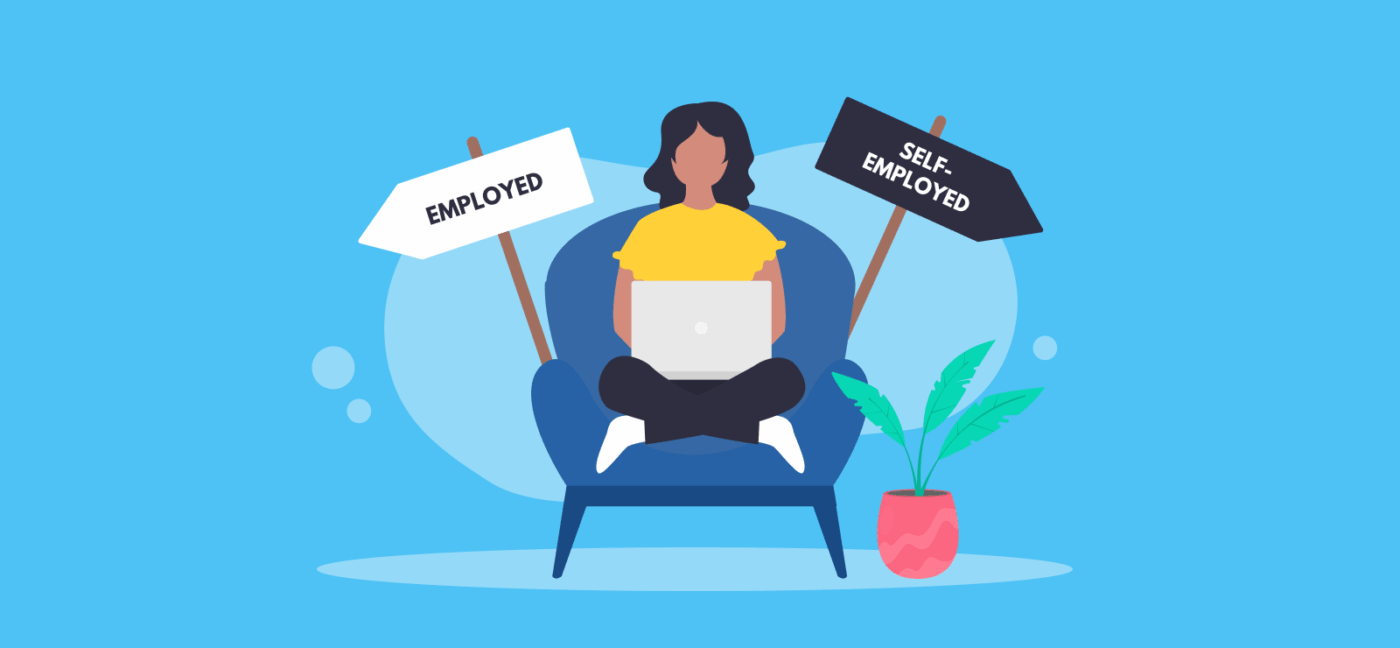
- A pension scheme you set up yourself if you’re self-employed, which you either pay into personally or through your own limited company (or both!) where you can add monthly contributions – or contribute on an ad hoc basis.
Always ensure you’re reviewing your pension, and speak with your employer or your accountant if you feel you may be better in a different pension scheme.
What if I have multiple pension pots?
The good news is that any pension contributions you’ve made will still count, regardless of how long you were at a company, or how long you were in a particular scheme.
If you were at a company for less than 2 years, you may be entitled to a refund of any contributions you made or, alternatively (and better for that pension pot), you can transfer the value over to your current scheme – otherwise known as a ‘cash sum transfer’.
Lots of people nowadays have worked with various employers, and even have their own self-employed pensions too. If that’s you, it’s worth considering pension consolidation.
Pension consolidation is where you combine all (or most) of your pension pots into one. This could be better financially, because you’ll normally be paying annual fees across each one. It also helps you track your pension more easily.
Before you do this, speak to an accountant or financial advisor who can help you choose the right scheme to merge your pensions.
How is my pension taxed?
Unfortunately, you do need to pay some tax on your pension – as it’s classed as income! We’ll look at the types of pensions, and how they’re taxed.
Your state pension
Your state pension is classed as taxable income, just like your salary from employment. You’ll receive your gross pay (which is the total before tax), every 4 weeks. Your tax is paid differently depending on your circumstances.
| Your circumstances | How you’ll pay tax |
| The State Pension is your only income | You won’t normally need to pay tax if your state pension is under the Personal Allowance.
If you do go over your Personal Allowance, HMRC will be in touch with a Simple Assessment tax bill stating how much you owe, and how to pay it. |
| You work while claiming State Pension | If you’re employed, it’s business as usual. Your employer will take the tax you owe off both your earnings and state pension via PAYE.
Self-employed individuals will need to fill in a Self Assessment tax return as normal, declaring their overall income, including any income from their state pension, and private pension. |
| You have another form of income | You may have to fill in a Self Assessment tax return.
If you earn any money from investment, HMRC will send a calculation of how much you owe and how you can pay it. |
Your personal pension
The tax you pay on your personal pension will depend on how you choose to withdraw your money. It’s important to consider how much you want to take out, and whether or not you’d like to continue to grow your pension.
Can I claim my pension whilst I’m still working?
Yes, you can take some of your pension out while you’re still working. If you take no more than the tax-free amount (which is typically up to 25% of your pension pot), you can continue to make pension contributions.
You’ll still be able to pay either your annual allowance of £60,000 per tax year (or 100% of your salary if it’s less than this), and benefit from relief on your contributions.
Are there tax implications to claiming my pension early?
It depends on how much you plan to take out. You can take a lump sum of up to 25% tax free, but you’ll pay tax if you go over this amount. If you’re still working, this could push you into the higher tax bracket, so spreading the withdrawals over a few years is more beneficial!
This isn’t always the solution for everyone – and your personal circumstances could mean it’s essential for you to draw out more. If this is the case, speak with an accountant who can guide you through the most tax-efficient way to withdrawing your pension.
Learn more about our online accountancy services for businesses. Call us on 020 3355 4047 or get an instant quote online.
Want to learn more?
Subscribe to our newsletter to get accounting tips like this right to your inbox