Balance sheets are a useful part of understanding the financial health of a business, so we explain how they work, why you need them, and what to include in one.
What is a balance sheet?
A balance sheet is a type of financial statement which shows a business’ assets, liabilities and shareholder equity. It provides a snapshot of exactly what the company owns and owes, and shows its financial position at the end of a specific date. You might also hear it referred to as a Statement of Financial Position.
It’s one of the four basic financial statements most businesses use, which include:
- Income statement
- Balance sheet
- Cash flow statement
- Statement of retained earnings (also known as an equity statement, which we explain in more detail below)
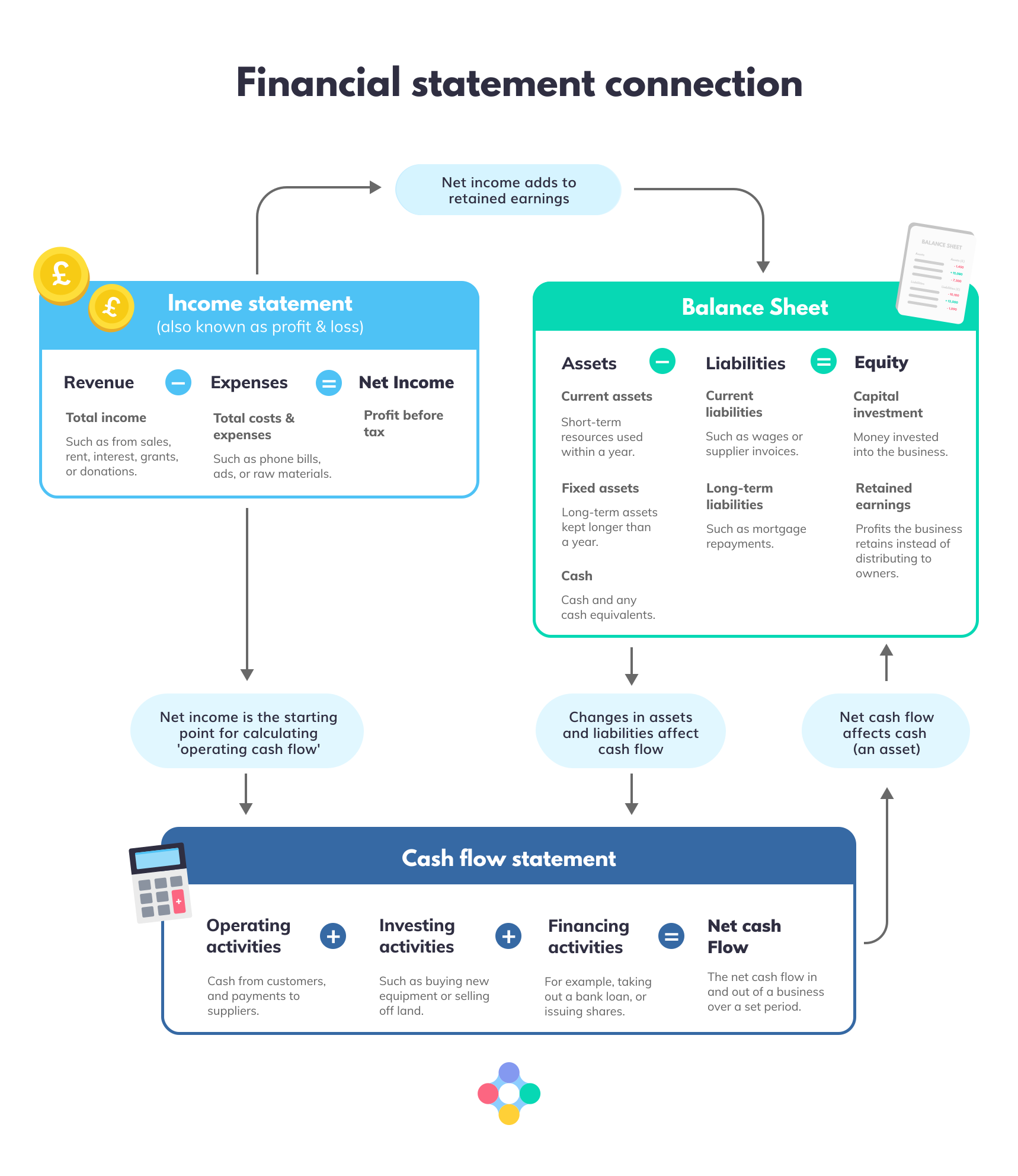
These financial statements together provide a full picture of your company’s financial position and performance. The chart below shows the relationship between each one, to help you understand how they work!
Do I need a balance sheet for my business?
Knowing exactly what assets and liabilities your business has is important for a number of reasons. If you are looking for financing then any potential lender or investor will want to see a balance sheet to check the business’s financial position.
The information your balance sheet shows can help a creditor or investor determine risk, so they can make an informed decision on whether to grant your request for finance.
What should a balance sheet include?
There are three main components of a balance sheet:
- Assets
- Liabilities
- Equity
What are business assets?
An asset is something the business owns, such as cash, equipment or land, unpaid customer invoices and even your branding. Assets are often split into ‘current’ and ‘long-term’ assets when they’re recorded in your business.
- Current assets include things like cash or accounts receivable (sales invoices to customers)
- Long-term assets refer to things you don’t expect to convert into cash within a year, such as property or long-term investments (though you may well sell the property within a year)
What are liabilities?
Liabilities are things your business is obliged to pay in the future. This could be money you owe to creditors or suppliers, or things like loan repayments and interest, employee salaries, and taxes. Like assets, these will typically be split into either current or long-term liabilities.
What is shareholder equity?
In simple terms, shareholder equity is the value of their share of the business. It’s equivalent to the value of the assets left over once you subtract all of the liabilities.
Our friendly team at The Accountancy Partnership provide online accountancy services. Call us on 020 3355 4047 and get an instant online quote.
Want to learn more?
Subscribe to our newsletter to get accounting tips like this right to your inbox