The definition of profit seems simple enough, but in the business world there are two distinct types of profit – gross and net profit. The two are often confused, so we thought we’d explain the difference as part of our series of accounting FAQs.
What is gross profit?
Gross profit is your business’s income minus the cost of goods sold (COGS). This is where it gets confusing, because it’s easy to get mixed up between COGS and expenses. COGS refers to how much money you spend on making or acquiring the things you sell – literally the cost of the goods that you sell.
So, if you sell a book, your gross profit is the price which you sell it for, minus the wholesale price that you paid for it. The other expenses which your business incurs aren’t included when you work out the gross profit, but they are included when working out net profit.
What is net profit?
Net profits are what’s left from the money you make once the gross profit and all of the other allowable expenses have been deducted. Your expenses might include things like rent, marketing costs, stationery, tax, staff salaries, and so on. Your net profit is the money you have really made.
Net profit is calculated by working out gross profit, and then deducting allowable expenses from it.
Why is it important to know gross and net profits?
Knowing both your gross and your net profit figures gives a clearer picture of how efficiently the business is operating. You could have a pretty high gross profit figure, but if you have a lot of expenses then your net profit will be much lower.
- Gross profit helps a business to understand how efficient they are at providing the goods or services sold. For instance, does the sale price need to go up? Do you need to find a cheaper supplier?
- Your net profit will help you understand how efficiently the business is operating. You might have nailed your gross profit margin, only to overspend on unnecessary staffing, or over-priced premises.
Knowing what’s happening in each area of the business will help focus attention on the areas that need it most. Beware the perils of taking action based on only your gross or net figures though! Base business decisions only on gross profit, and you could be in for a nasty surprise when it turns out you didn’t make as much as you thought.
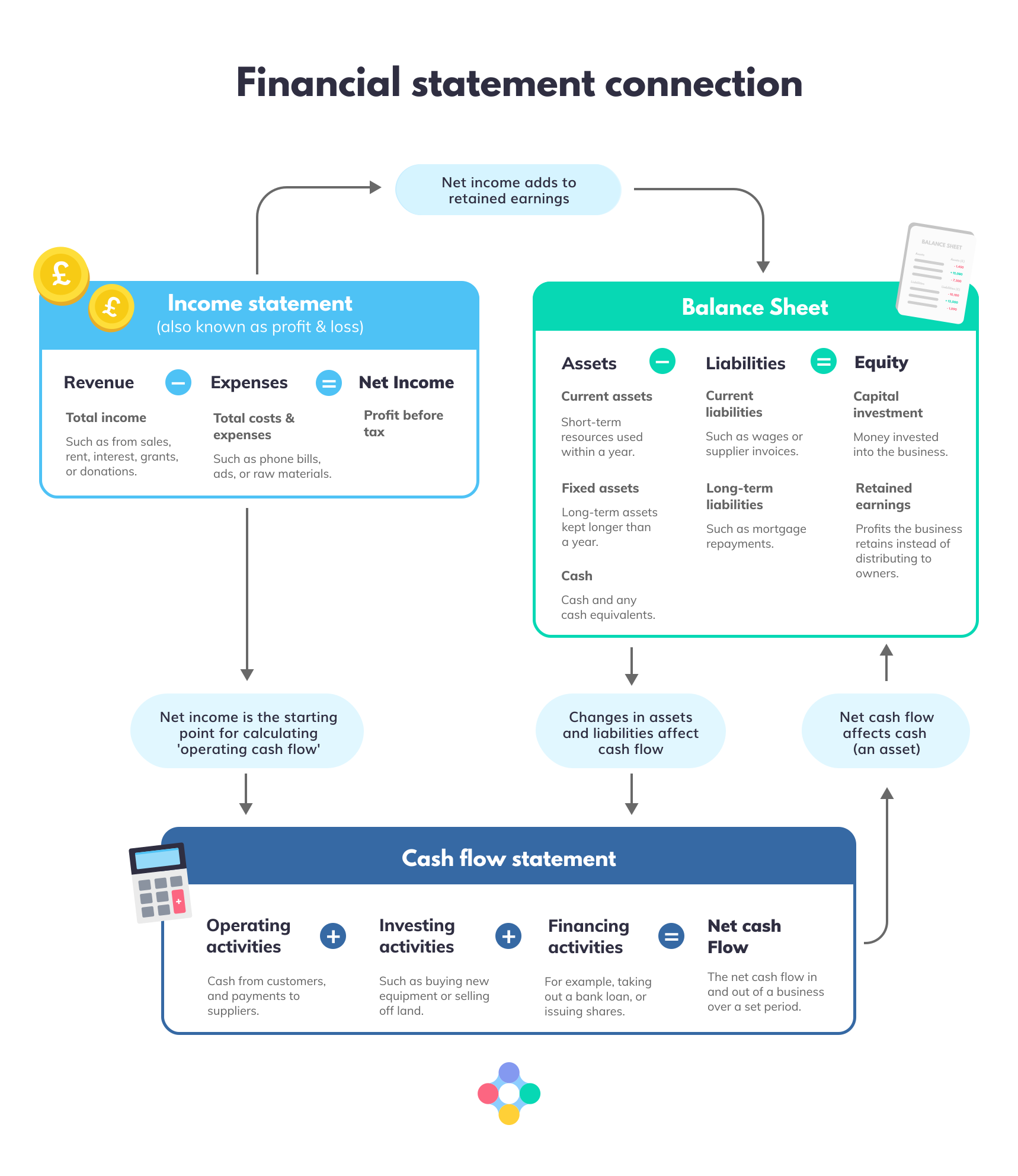
Plus, gross and net profit figures are required in order to create income statements and fill in tax returns. Any confusion between the two can mean inaccurate statements, and some unwanted attention from HMRC! The diagram below shows the relationship between different types of profit and your other financial reports.
Which profits do you pay tax on?
You’ll pay tax on your net profits, whether you’re a limited company or sole trader. Get confused between these and your gross figures, and you’ll pay a lot more tax than you need to. Ouch.
Our professional team of experienced online accountants can you help you get your business’ finances into shape. Get an instant online quote, use the Live Chat button on your screen, or call an advisor on 020 3355 4047.
Want to learn more?
Subscribe to our newsletter to get accounting tips like this right to your inbox